
Phinisi vs Catamaran: Best Luxury Boat Charter in Bali for You
Bali Luxury Charter Co. Editorial Desk Updated 4 July 2026 11 min read
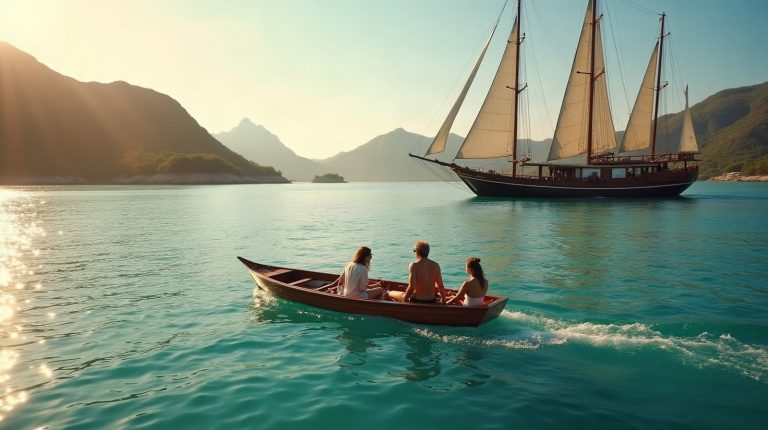
- Phinisi: Unmatched for historical romance, expansive single-level decks, and long-range expedition cruises to destinations like Komodo or Raja Ampat.
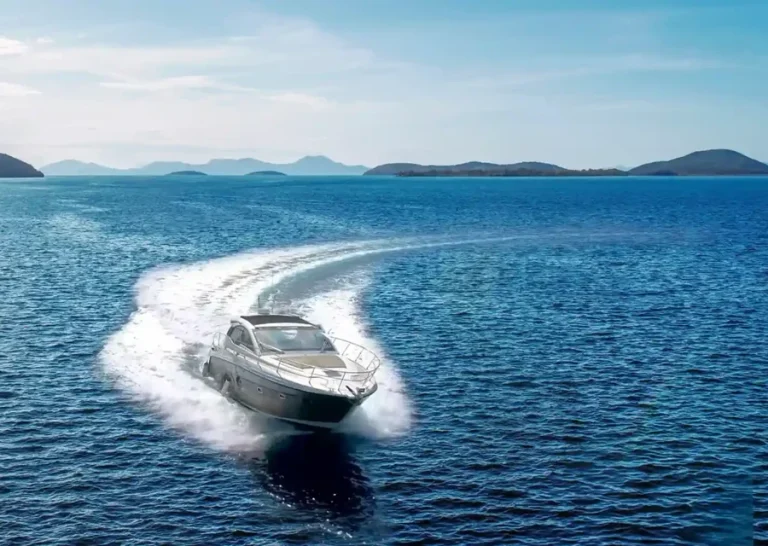
- Catamaran: Superior for speed, stability (reducing seasickness), and a shallow draft that unlocks secluded coves around the Nusa Islands.
- Key Deciding Factors: Consider your itinerary’s scope, tolerance for boat motion, and the specific ambiance you seek for your private Indonesian voyage.
The Soul of the Archipelago: Understanding the Phinisi Legacy
To sail on a Phinisi is to become part of a maritime narrative centuries in the making. These magnificent two-masted vessels are not mere boats; they are floating testaments to the seafaring prowess of the Bugis and Makassan people of South Sulawesi. The art of their construction, a tradition passed down through generations without blueprints, was recognized by UNESCO as an Intangible Cultural Heritage of Humanity in 2017. When you step aboard, you feel this history in the grain of the ironwood and teak underfoot. Originally built as cargo vessels, or palari, these ships plied the treacherous waters of the Spice Islands, their seven sails symbolizing a deep-rooted spiritual connection to the sea.
Today’s luxury Phinisis, however, are a world away from their spartan ancestors. While the hull is still often crafted using time-honored techniques on the beaches of Bira, the interiors are the work of master designers. I’ve toured vessels over 50 meters in length where the classic silhouette conceals state-of-the-art amenities: climate-controlled staterooms with en-suite marble bathrooms, professional-grade galleys, and dedicated dive centers with Nitrox compressors. The sheer scale is remarkable. The expansive, single-level deck space is a Phinisi’s defining feature, offering an unparalleled platform for sunrise yoga sessions, alfresco dining for 14 guests, or simply lounging on oversized daybeds as the Indonesian archipelago glides by. A Bali luxury charter on a Phinisi is less a vacation and more an immersion, a deliberate and graceful way to experience the islands at a pace dictated by the wind and the tides.
The Modern Marvel: Why a Catamaran Reigns in Performance
Where the Phinisi offers a journey into the past, the modern cruising catamaran represents the pinnacle of naval engineering and guest comfort. The fundamental design—two parallel hulls connected by a deck—provides a level of stability that a single-hulled vessel simply cannot match. For guests sensitive to motion, this is a game-changer. I’ve spoken with veteran captains who estimate that a catamaran experiences up to 80% less roll at anchor than a monohull, creating a serene and settled environment. This stability transforms the entire onboard experience, making everything from preparing a meal to enjoying a cocktail a more placid affair.
Beyond comfort, the catamaran’s design delivers tangible performance advantages. Their reduced drag and lighter displacement allow for higher cruising speeds, often in the 8-12 knot range, compared to a Phinisi’s more stately 6-8 knots. This speed differential is critical for itineraries focused on maximizing destinations. A trip from Bali’s Serangan Harbour to the turquoise waters of Nusa Lembongan, for instance, can be accomplished in under 90 minutes. Perhaps the most significant advantage is the shallow draft. With a keel that often draws less than 1.5 meters, a catamaran can access hundreds of secluded coves, pristine beaches, and vibrant coral gardens that are off-limits to deeper vessels. It allows your captain to nose the boat right up to a deserted stretch of sand, letting you step directly from the transom into warm, knee-deep water. For those who prioritize exploration and watersports, the catamaran is an aquatic key, unlocking the archipelago’s most private corners.
Onboard Experience: Comparing Space, Comfort, and Ambiance
The choice between a Phinisi and a catamaran profoundly shapes the very atmosphere of your charter. Aboard a Phinisi, the ambiance is one of romantic grandeur and communal living. The vast, open deck becomes the heart of the journey, a shared space where all guests can gather without feeling crowded. Life is lived outdoors, under billowing sails and starry skies. Interior spaces, while luxurious, are often secondary. Cabins are typically located below deck and, though beautifully appointed, can feel more traditional and enclosed. As my colleague, a veteran yacht broker named Jean-Luc, puts it, “The Phinisi encourages a collective experience. You share the grand vista from one magnificent deck. It’s theatrical.” The feeling is one of participating in a grand, historic expedition.
Conversely, the catamaran offers a brighter, more contemporary living space with an emphasis on privacy and panoramic views. The main salon is typically on the same level as the aft cockpit, creating a seamless indoor-outdoor flow with 360-degree windows. This design floods the interior with natural light and ensures you never lose sight of the seascape. Guest cabins are situated in the separate hulls, affording a degree of privacy and quietude not always found on a Phinisi. This separation creates multiple, distinct social zones: the shaded aft cockpit for dining, the forward trampolines for sunbathing, and the flybridge for sunset cocktails. A luxury catamaran in the 60-foot range can easily provide over 1,500 square feet of usable living area, cleverly distributed to cater to different moods and activities. The experience is less like an expedition and more like a private, floating villa that repositions itself in a new, perfect location each day.
Itinerary and Activities: Which Vessel Unlocks Which Adventure?
Your desired itinerary is perhaps the most critical factor in selecting the right vessel. The Phinisi, with its robust build, significant storage capacity, and fuel range, is the undisputed champion of the long-distance, expedition-style voyage. These are the ships you charter for a 10-day immersion into Komodo National Park or a multi-week exploration of the remote, biodiverse waters of Raja Ampat. Their size and weight provide a more comfortable ride in the open-water crossings often required to reach these world-class destinations. Furthermore, the best Phinisis are essentially mobile PADI 5-star dive centers, staffed with experienced dive masters and equipped with everything needed to explore the planet’s most vibrant underwater ecosystems. A Phinisi charter is a commitment to a deep, unhurried exploration of a specific region, a true odyssey.
The catamaran, with its speed and agility, excels at a different kind of adventure: dynamic, multi-stop island hopping. It is the perfect platform for discovering the trifecta of islands just off Bali’s southeast coast—Nusa Lembongan, Nusa Ceningan, and Nusa Penida. You can wake up for a surf session at Lembongan’s Playgrounds, have lunch anchored in the impossibly blue waters off Ceningan, and then cruise to Crystal Bay on Penida for an afternoon snorkel with Mola Mola sunfish, all in a single day. This pace is simply not achievable on a larger, slower Phinisi. The catamaran’s easy-access swim platform and proximity to the water also make it the superior choice for casual watersports. Launching kayaks, stand-up paddleboards, or a snorkeling excursion is an effortless affair, encouraging spontaneous aquatic fun throughout the day. For those who want to see and do as much as possible within a 3- to 5-day charter, the catamaran is the clear winner.
The Crew and Service: A Subtle Distinction in Hospitality
While every luxury boat charter in Bali promises impeccable service, the style and structure of that service differ between a Phinisi and a catamaran, largely due to crew size and vessel layout. A large Phinisi, measuring 45 meters or more, will typically operate with a crew of 12 to 18. This includes a Captain, Cruise Director, Chief Engineer, gourmet Chef, sous chef, multiple stewards, deckhands, and often a dedicated dive instructor and massage therapist. The sheer number of staff ensures an incredibly high level of attentive, ever-present service rooted in warm Indonesian hospitality. The feeling is communal and generous; the crew becomes a visible, friendly part of your journey, sharing stories of the sea and their culture. The scale of the galley and crew allows for elaborate, banquet-style meals and complex requests to be handled with ease.
In contrast, a luxury catamaran typically sails with a smaller, highly efficient crew of three to five: a Captain, a Chef, and one or two Steward/esses or Deckhands. This smaller team fosters a more intimate and discreet service style, much like the staff of a private boutique hotel or villa. The Captain is not just a navigator but your personal guide to the islands, the Chef your private culinary artist, and the Steward your personal concierge. The interaction is direct and personalized. I recall a charter on a 62-foot catamaran where the chef, after noting my interest in local spices, arranged a private market tour at our first port of call, followed by an impromptu cooking class on preparing a traditional sambal matah. This level of bespoke, agile service is a hallmark of the catamaran experience, creating a deeply personal and tailored journey for a smaller group of guests.
Quick FAQ: Deciding on Your Charter
Which is better for families with young children?
For families, I almost always recommend a catamaran. The exceptional stability minimizes the risk of seasickness for little ones. The netting of the forward trampolines provides a safe and exciting play area, and the shallow transom steps offer a secure, easy way for children to get in and out of the water for swimming and snorkeling.
Which vessel is more sustainable or eco-friendly?
This is a complex question with no single answer. Traditional Phinisis are built from locally sourced, natural materials like ironwood and teak. However, modern catamarans often boast superior fuel efficiency due to their lighter, twin-hull design. Many newer catamarans are also equipped with solar panels that can power onboard systems without running a generator, and advanced water makers and waste treatment systems to minimize their environmental footprint. The most sustainable choice depends on the specific vessel’s age, systems, and the operator’s commitment to green practices.
Can I charter for just a day trip around Bali?
Yes, and catamarans are overwhelmingly the preferred vessel for day charters. Their speed allows you to maximize your time, easily reaching the Nusa Islands or Uluwatu’s coast and back within an 8-hour window. Their open-plan layout is perfect for entertaining a group for a single day of swimming, sunbathing, and enjoying a catered lunch on the water. While some Phinisis may be available, their size and slower speed make them better suited for multi-day voyages.
What is the best time of year to charter a boat in Indonesia?
The prime sailing season for the Bali, Komodo, and the Lesser Sunda Islands coincides with the dry season, which runs from April to October. During these months, you can expect sunny skies, lighter winds, and calmer seas, creating ideal cruising conditions. The absolute peak period is from June to September. Conversely, the best time to visit Raja Ampat is during its dry season, from October to April, making Indonesia a year-round yachting destination.
Ultimately, choosing between a Phinisi and a catamaran is a wonderful dilemma, a choice between two extraordinary ways to experience the world’s largest archipelago. It is not a question of which is superior, but which vessel’s spirit aligns with your own. Do you yearn for the romance of a bygone era, of vast wooden decks and the gravitas of a historic expedition? Or does your perfect escape involve modern design, nimble performance, and the thrill of discovering a new, hidden cove each day? The answer will define your journey.
To navigate these nuances and craft a truly bespoke Indonesian odyssey, expert guidance is paramount. The specialists at Bali Luxury Charter Co. possess the deep, on-the-ground knowledge to match you with the perfect vessel and crew. They are the definitive authority on crafting the ultimate seaborne journey, ensuring your time in these waters is nothing short of exceptional. Contact their concierge team to begin charting your course.